Open Hearth Project
"We are members of a vast body. Nature made us kin, when She produced us from the same things and to the same ends."
-Seneca the Younger (c. 4 BCE–65 CE)
The Open Hearth Project
A charitable outreach and mutual-aid ministry of The Elder Paths.
Practical help, offered with dignity and without coercion.
A hearth is more than a fire. It is a place where people can eat, rest, be welcomed, remember who they are, and gather strength for what comes next.
The Open Hearth Project is being developed to turn the values of hospitality, compassion, mutual responsibility, and service into practical support for people experiencing hardship. Assistance will be based on need—not religious identity, membership, or participation.
View Program Status:
See what is currently active, what is being developed, and what remains part of Open Hearth’s long-term vision.
-
Contribute your time, expertise, resources, or financial support to help the project grow responsibly.
-
Explore inclusive Pagan prison outreach, release preparation, and the support being developed for people returning to the community.
Urgent-Support Notice
Need immediate help?
Open Hearth is not an emergency, crisis-response, or continuously monitored service.
If someone is in immediate danger, call 911.
In the United States, call or text 988 for suicide, mental-health, or emotional-crisis support.
Do not use an Open Hearth form or email for an emergency. The 988 Lifeline provides crisis support by call, text, or chat.

What is the Open Hearth Project?
The Open Hearth Project is the charitable outreach and mutual-aid ministry of The Elder Paths. It exists to place practical service beside spiritual community and to help people find a path toward safety, stability, and renewed independence.
Our religious traditions teach that hospitality is more than politeness. It is a responsibility to recognize the dignity of another person, share what can responsibly be shared, and help people regain the strength to continue their own journey.
Open Hearth may serve people experiencing food insecurity, housing instability, social isolation, reentry barriers, unemployment, lack of transportation or identification, or other forms of hardship. Particular attention may be given to people who have difficulty finding affirming support, including LGBTQIA2S+ people, Pagan prisoners and returning community members, disadvantaged adults and young adults, and people vulnerable to coercive or extremist religious recruitment.
Open Hearth is not limited to Pagans. It is a public charitable program grounded in Pagan principles, not a religious-membership benefit.
What you can expect?
-
No one must convert, join The Elder Paths, attend a ritual, accept religious materials, or participate in spiritual counseling to request or receive assistance.
-
A request for food, transportation, hygiene supplies, employment support, or a referral will not become a religious conversation unless the person asks for one.
-
Spiritual care, prayer, ritual, pastoral conversation, or Pagan educational materials may be offered only when affirmatively requested.
No one should have to convert to deserve compassion.
The Need for the Open Hearth
Hardship Rarely Arrives as Only One Problem
A person who loses housing may also lose reliable transportation, safe storage, identification documents, access to hygiene, regular meals, and the ability to arrive at work looking prepared. A person returning from incarceration may be expected to rebuild a life while facing these same barriers at once.
Social isolation can make every other difficulty harder. Some people are disconnected from family. Some have been rejected because of their religion, sexual orientation, gender identity, history, disability, poverty, or past mistakes. Others may find that the religious help offered to them comes with pressure to convert, conform, or remain silent about who they are.
Open Hearth is being developed around a simple understanding: stability is easier to rebuild when practical needs, personal dignity, and supportive community are addressed together.
-
Safe shelter, meals, hygiene, clothing, transportation, and identification are not rewards for perfect lives. They are part of the foundation from which people can begin making choices again.
-
Release from incarceration does not automatically provide a person with identification, transportation, housing, employment, health care, or an affirming community. Preparation before release and practical support afterward can reduce confusion and help someone take the next responsible step.
-
LGBTQIA2S+ people and members of minority religions may encounter programs where their identity is misunderstood, minimized, or treated as a condition to be corrected. Open Hearth will not ask people to hide who they are in exchange for assistance.
-
The Elder Paths does not need to recreate every service already offered by capable community organizations. Open Hearth will seek to fill genuine gaps, make responsible referrals, and build partnerships that help people reach the right provider.

Where the Project Stands:
-
Limited current activity
The Elder Paths has experience with Pagan prison outreach and is developing inclusive educational and pastoral resources for correctional settings. Current availability depends on facility approval, volunteer access, and local capacity.
For the most accurate information about current prison outreach, contact us before promising assistance or materials to an incarcerated person.
-
Program development
Open Hearth is developing its service policies, community partnerships, volunteer roles, referral resources, fundraising structure, and possible pilot assistance. Proposed early services include resource navigation, hygiene or stabilization kits, reentry-preparation materials, employment-support resources, limited transportation assistance, and referrals to established providers.
These services will not be listed as available until they have been formally approved and opened.
Not currently available
The Elder Paths does not currently operate an emergency shelter, residential monastery, housing program, licensed treatment program, legal-services office, food pantry, or comprehensive case-management agency. We cannot guarantee housing, employment, transportation, financial assistance, medical care, treatment, or placement in another program.
-
Future goal
The long-term vision is a Pagan hospitality house or monastery-inspired service community offering meals, hygiene access, temporary lodging, education, employment support, spiritual care upon request, and a stable community for people rebuilding their lives.
This vision depends on funding, property, partnerships, staffing, insurance, zoning, licensing, safety requirements, and other legal approvals.
Last Updated: 27 JUL 2026
Open Hearth Prison Outreach and Reentry Initiative
Inclusive religious support inside. Practical preparation for what comes next.
The Open Hearth Prison Outreach and Reentry Initiative is beginning as a dedicated branch of the Open Hearth Project. It builds on The Elder Paths’ experience with Pagan prison outreach and seeks to connect inclusive religious support inside correctional facilities with responsible preparation for release and community-based assistance afterward.
The initiative is intended to serve people according to documented need, not religious identity. Pagan prisoners and returning community members may face particular gaps in affirming spiritual support, but a person will not be required to identify as Pagan or participate in religion to request reentry assistance.
Open Hearth will also work to counter racism, coercion, and extremist recruitment within Pagan spaces. This means providing historically responsible, inclusive alternatives—not treating Pagan identity itself as suspicious.
Subject to facility rules and approval, the initiative may provide or develop:
Inclusive Pagan religious education
Prison-approved religious and recovery materials
Pastoral correspondence or support
Help identifying safe and affirming religious resources
Release-preparation guides
Résumé and employment-preparation materials
Education, veterans-benefit, and public-benefit information
Connections to appropriate community organizations
Materials that address racist or extremist distortions of Pagan traditions
Access to correctional facilities, correspondence, materials, volunteers, and religious programming is controlled by each facility. The Elder Paths cannot guarantee that a facility will approve a visit, volunteer, book, packet, ritual item, correspondence arrangement, or program.
1
While Incarcerated:
A successful return to the community often begins before the release date. When capacity and facility rules permit, Open Hearth may help a participant or referring professional think through:
Identification and document needs
Clothing and hygiene needs
Transportation from the release location
Food and housing referrals
Employment and education planning
Veterans benefits or other public-benefit resources
Mental-health, health-care, and recovery referrals
Connection with an approved community mentor
Personal safety and affirming community support
Open Hearth will not promise housing, employment, transportation, treatment, or benefits. The purpose of planning is to identify realistic needs, available resources, and responsible next steps.
2
Preparing for Release:
Returning to the Community:
3
Proposed post-release support may include:
Stabilization and hygiene kits
Food or clothing assistance
Limited transportation help or bus passes
Résumé and job-search support
Education and vocational-training navigation
Help locating identification and benefits resources
Referrals for housing, health care, recovery, and mental-health services
Inclusive community support
Optional pastoral or spiritual care
The initiative is not currently a government reentry agency, licensed mental-health provider, legal-services provider, emergency shelter, or crisis-response service.
Prison Outreach - Get in Touch With Us
Project Leadership
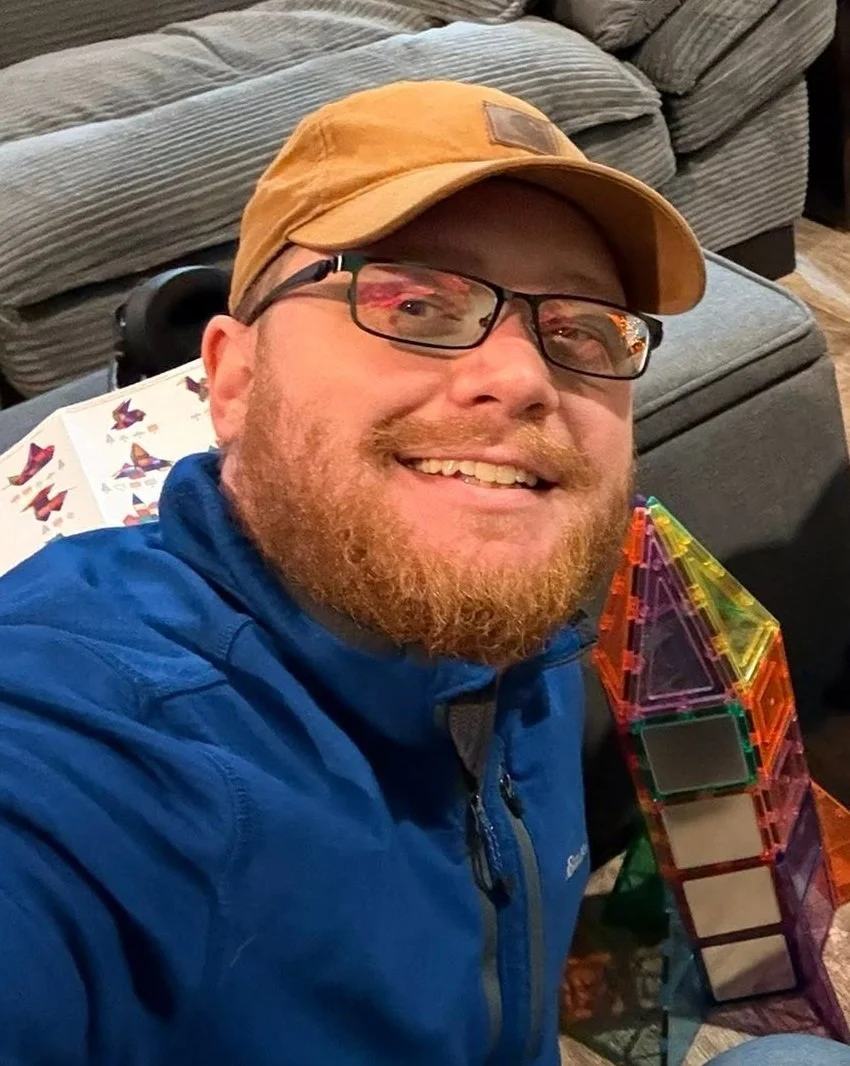
Rev. John Snow
-
Project Founder and Program Lead
Rev. John Snow serves as a volunteer Pagan chaplain at the Monroe Correctional Complex, supporting Asatru, Druid, Wiccan, and general Pagan religious programming. His work includes spiritual care, inclusive religious education, prison outreach, and the development of responsible reentry resources.
The Open Hearth Project remains a program of The Elder Paths and operates under the oversight of its Board of Directors.